
We were the
frustrated customer.
Two engineers met at Toyota and saw the same gap between what vendors promised and what arrived on the floor. In 2017 they started PH to close it, and brought Toyota's Kaizen discipline with them.
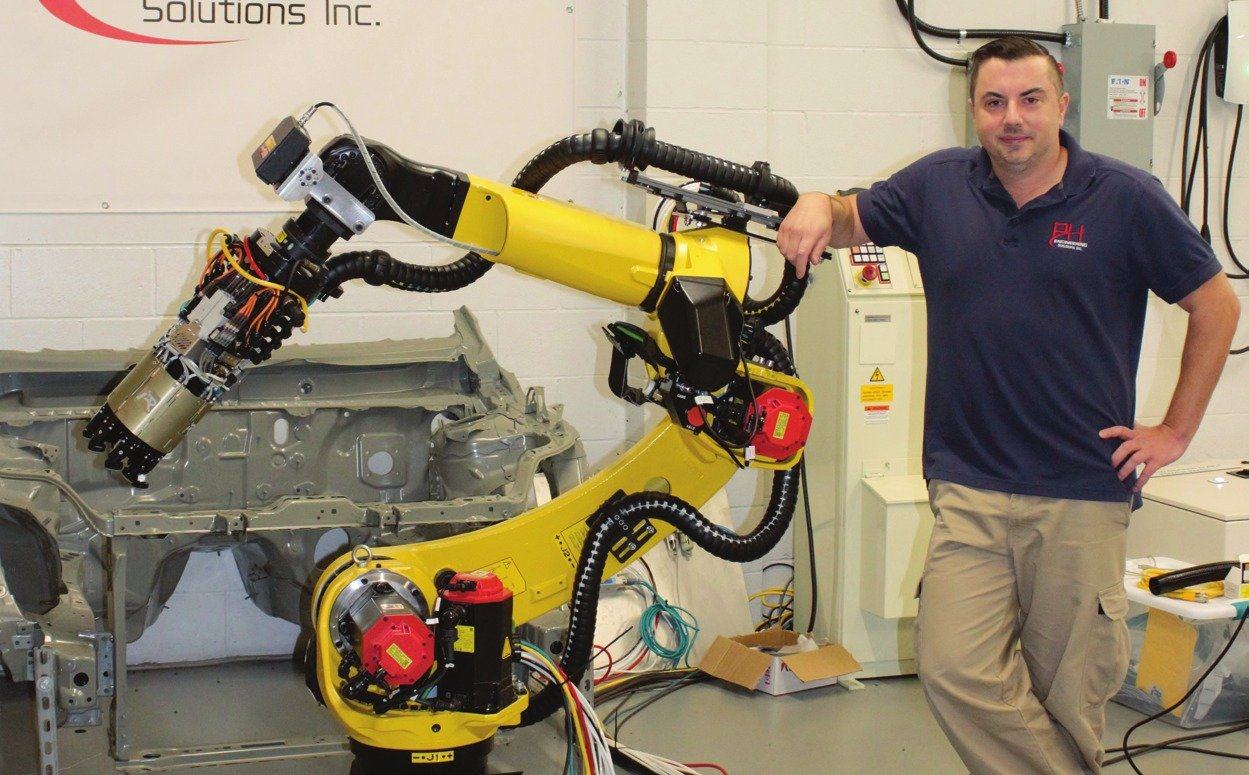
The foundation of our company, built on addressing customer needs, is born out of our experiences as customers seeking automation solutions.
Having been the
customer changes
what you build.
Our clients run several projects at once, so we take the project management on ourselves.
We test everything in-house before it ships, because we know what it costs when commissioning turns into construction inside a shutdown window.
We document properly, because we've both been the engineer handed a system with no drawings and no comments in the code.
And since 2022 the mechanical side has been ours to carry too: we design it, we manage the machining, fabrication and finishing, and we assemble and test it here, so chasing three suppliers is our job and not yours.
Where your system
runs first.
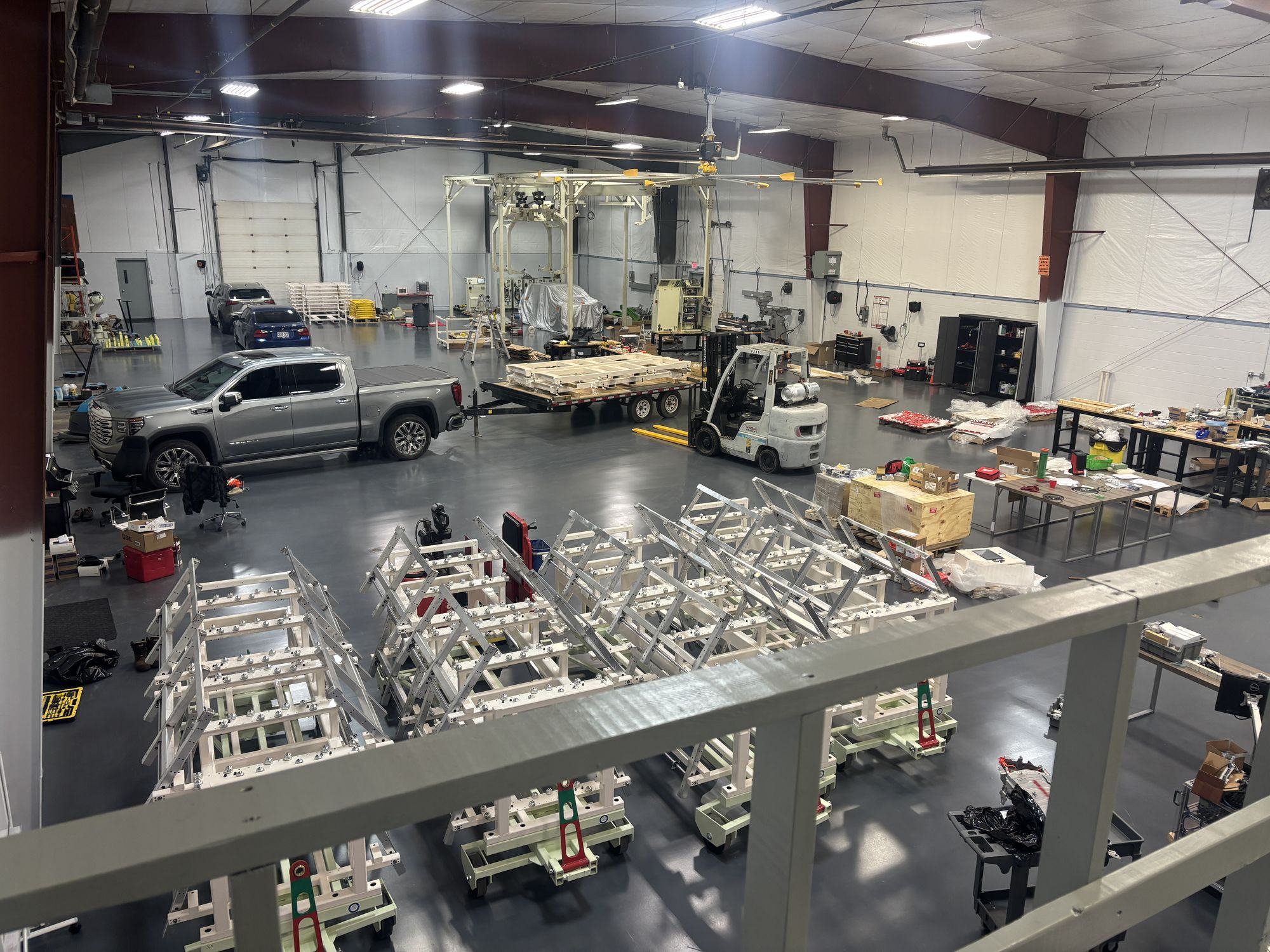
20,000 square feet of commissioning space, new in 2024. Full cells are assembled, powered and run at production rate here before anything ships.
You get the number before we start
Assessments are scoped and priced up front. That includes the ones that end with us telling you the job isn't worth doing.
Bad news arrives early
Schedules move. You hear it from us the week we know, not at the review.
You own everything we write
Commented source, complete as-builts, no locked files. If you want the next job done by somebody else, nothing stops you.
Five steps, and you
see the risk in step one.
- 01
Bid specification
We start from the spec and tell you plainly what's in scope, what isn't, and where we think the risk sits.
- 02
Customising the project
The spec gets shaped around your plant: your standards, your hardware, your constraints.
- 03
Direct engagement
We work through both the immediate need and where you're planning to expand, so what we build can be extended rather than replaced.
- 04
Collaborative review
Components inspected and functionality confirmed with you before the bid is finalised. Fewer surprises later, for both of us.
- 05
Build and run off
The system is built and tested on our floor at production rate. What arrives at your plant has already run.